Master Your Breath. Control Your Mind. Forge Your Resilience.
Explore breathwork, cold exposure and recovery practices designed to develop calmness, focus and personal discipline.
This content is for general education and wellbeing only. It is not medical advice, diagnosis or treatment. Breathwork and cold exposure carry risks and may not be suitable for everyone.
Wim Hof-Inspired Breathing Lab
Guided breathing, progressive cold exposure, personal focus and scientific progress tracking.
Independent educational content inspired by breathing and cold-exposure principles associated with the Wim Hof Method. This is not an official or affiliated Wim Hof Method course.

Breathe. Focus. Adapt.
Explore guided breathing, mindset and progressive cold-exposure education.
Independent educational content inspired by breathwork principles associated with the Wim Hof Method. This is not an official or affiliated Wim Hof Method course.
The Three Pillars
Breathing
A controlled cycle of deep abdomen-to-chest breaths followed by a relaxed, unforced exhalation. Each stage — breathing, optional retention, and recovery — has a clear purpose and a clear end point.
Cold Exposure
A gradual, separate progression through cold showers and cold plunges. Breathing exercises and cold exposure are never combined — calm, normal breathing is used throughout any cold session.
Commitment
Consistency, concentration and patience build resilience over weeks, not minutes. Personal reflection after each session helps you notice real, honest change over time.
Practise only while safely seated or lying down in a secure location. Never practise rapid breathing or breath-holding in water, near water, in a bath, under a shower, while driving or while standing. This breathing pattern may cause dizziness, altered awareness or loss of consciousness.
Learn The Breathing Movement
Demonstration only — abdomen fills first, then the chest, then a relaxed release.
- 1Sit or lie down somewhere safe and secure.
- 2Relax your shoulders and unclench your jaw.
- 3Breathe in, letting the abdomen expand first.
- 4Continue the same inhale up into the chest.
- 5Let go in a relaxed, unforced exhalation — don't push it out.
- 6Maintain a comfortable, steady rhythm — no rushing.
- 7Stop immediately and breathe normally if you feel unwell.
Guided Practice Library
Learn The Breath
Educational demonstration of the breathing movement — no retention required.
- No retention required
- Abdomen-to-chest animation
- 10 slow practice breaths
- Voice guidance
First Guided Round
One controlled round with optional comfortable retention and full voice guidance.
- One controlled round
- Up to 30 breaths
- Optional comfortable retention
- Recovery + grounding
Foundation Session
Three guided rounds with a retention timer, recovery breath and post-session grounding.
- 3 guided rounds
- 30 breaths per round
- Retention timer
- Full voice guidance
Standard Practice
Three rounds with a choice of 30, 35 or 40 breaths and a session summary.
- 3 rounds
- Choice of 30 / 35 / 40 breaths
- Retention recording
- Session summary
Progressive Practice
Three to four rounds for members who have completed foundation sessions. No competitive targets.
- 3-4 rounds
- For practised members only
- No competitive targets
- Stop button always visible
Custom Guided Session
Choose your rounds, breath count and retention preference within conservative limits.
- Choose rounds & breaths
- Conservative limits enforced
- Retention on/off
- Adjustable recovery
Recovery-Breath Practice
A short practice focused only on comfortable inhalation, controlled recovery and grounding.
Mindset & Commitment
Set An Intention
Before you begin, choose one simple, honest reason for practising today.
Body Awareness
Notice where you're holding tension — shoulders, jaw, chest — before you start breathing.
Calm Visualisation
Picture yourself breathing steadily and calmly through the whole session.
Concentration
Keep attention on the breath itself rather than the outcome or any target.
Commitment Tracking
Consistency across weeks — not a single big session — is what builds real resilience.
Personal Reflection
After each session, take a moment to notice how you feel, without judging it.
Personal reflection (jot a quick note — your session notes are saved with each logged session):
This practice supports focus and consistency — it does not promise medical healing or guaranteed effects.
Cold-Exposure Education
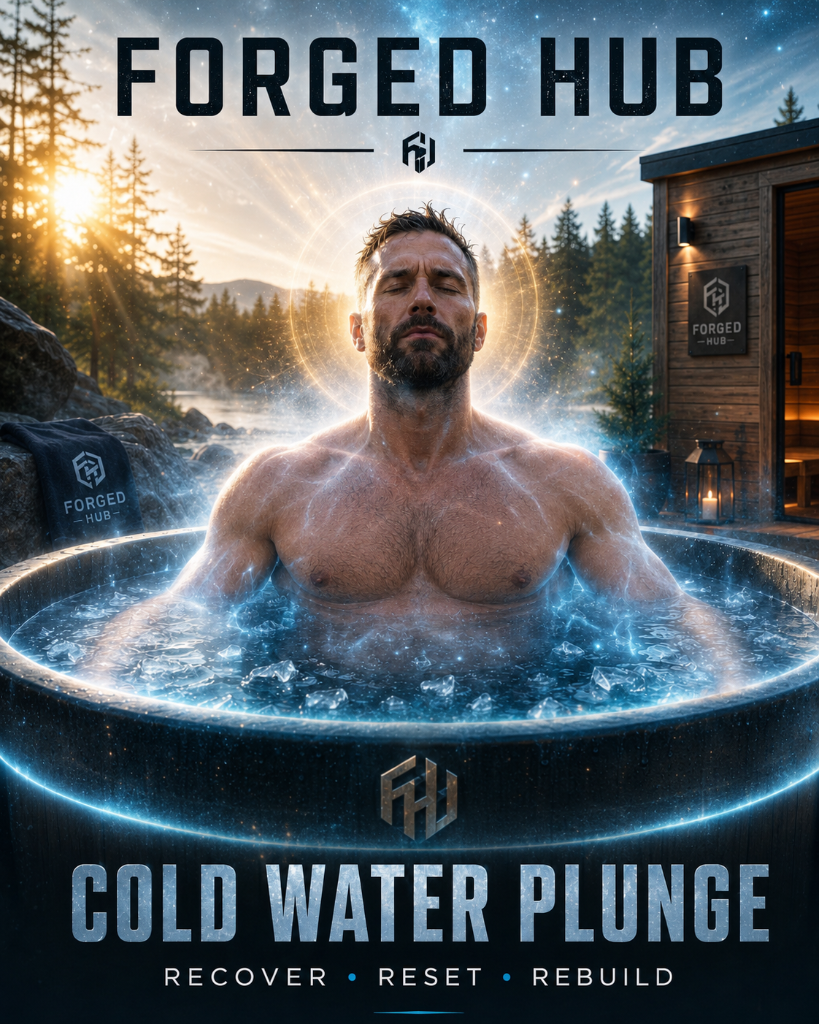
Breathing exercises and cold-water exposure are always practised separately — never at the same time.
Cold-Shower Progression
Begin with brief cold bursts at the end of a warm shower and gradually extend duration over weeks — never rush the progression.
Cold-Plunge Preparation
Prepare with warm clothing nearby, a clear exit plan, and never plunge alone or in unsupervised open water.
Breathe Normally During Exposure
Keep breathing calm and steady during cold exposure. Never combine rapid breathing or breath-holding with cold water.
Recognising Cold Shock
Gasping, rapid heartbeat and panic are signs of cold shock — exit calmly and immediately if these occur.
Safe Session Limits
Keep sessions short, especially when starting out, and always listen to your body rather than a fixed target.
Rewarming Afterwards
Dry off, dress warmly and move gently to rewarm naturally — avoid hot showers immediately after very cold exposure.
Never Enter Open Water Alone
Open water (sea, lake, river) carries additional risk — always have someone present and know the local conditions.
The Science Of The Breath
Educational information only — this is not medical advice and the body does not become "super oxygenated" through this practice.
Progress & Session History
0
Total Sessions
0
Minutes Practised
0d
Current Streak
0d
Longest Streak
0s
Avg Duration
0.0
Avg Rounds
0s
Avg Retention
0s
Longest Retention
—
Mood Before
—
Mood After
—
Avg Stress Reduction
0.0 → 0.0
Energy Before → After
0
Completed Safely
0
Stopped Early
Session Duration Trend
Sessions Per Week
Session Types
Before vs After
- Before
- After
Weekly Target Progress
0% of weekly target
Session History
| Date | Type | Duration | Rounds | Retention | Mood | Stress | Energy | Status |
|---|---|---|---|---|---|---|---|---|
| No sessions recorded yet for this range. | ||||||||
No journal notes yet — add some after your next session.
Frequently Asked Questions
Final Grounding
Whatever practice you've chosen, take a moment now to feel the ground beneath you, notice your surroundings, and breathe normally. Progress here is built through consistency, not intensity.
Breathwork Practice Library
26 guided techniques — each with a live timer, breathing orb, voice guidance and optional ambient sound.
Wim Hof-Inspired Breathing
Energising, controlled hyperventilation-style rounds followed by breath retention.
Holotropic-Style Breathwork (Education)
Gentle introduction to connected breathing for relaxation — full sessions need a qualified facilitator.
DMT-Style Breathwork (Education)
A gentle, grounding introductory breathing pattern — not a claim of altered states or DMT release.
Diaphragmatic Breathing
Builds core breathing mechanics and calms the nervous system.
Nasal Breathing
Improves oxygen exchange and filters/warms incoming air.
Coherent Breathing
Balances the autonomic nervous system at ~5.5 breaths per minute.
Resonance-Frequency Breathing
Personalised slow breathing to maximise heart-rate variability.
Box Breathing
Sharpens focus and calms the mind using equal-count breath holds.
4-7-8 Breathing
A calming pattern popular for anxiety relief and falling asleep.
Extended-Exhale Breathing
Lengthening the exhale activates the calming (parasympathetic) nervous system.
Physiological Sigh / Cyclic Sighing
A rapid, science-backed way to reduce stress and calm the body quickly.
Alternate-Nostril Breathing
A balancing yogic technique (Nadi Shodhana) for calm, focused attention.
Pursed-Lip Breathing
Slows the breathing rate and helps release trapped air — useful during exertion recovery.
Breath Awareness
Simple mindful observation of your natural breath — no forcing or counting.
Equal Breathing
Sama Vritti — equal-count inhale and exhale for steady, balanced calm.
Humming Breath (Bhramari)
Humming on the exhale creates a soothing vibration that calms the mind quickly.
Ocean Breath (Ujjayi)
A soft throat constriction creates an ocean-like sound, building heat and focus.
Lion's Breath
A forceful, playful exhale with tongue out — releases tension and stress quickly.
Buteyko-Style Reduced Breathing (Education)
Educational introduction to gentle breath reduction for CO2 tolerance training.
Breath-Hold Education
Educational overview of breath-retention practice and safe progression.
Pre-Training Energising Breathing
Quick, energising breaths to raise alertness before training.
Post-Training Recovery Breathing
Long, slow exhales help shift the body from training stress into recovery.
Sleep & Relaxation Breathing
A slow, calming pattern to prepare the body and mind for sleep.
Stress-Reset Breathing
A grounding rhythm designed to interrupt stress spirals quickly.
Meditation Breathing
A steady anchor breath used to settle the mind for meditation practice.
Walking Breathwork
Syncing breath rhythm to footsteps for a moving meditation.
Holotropic-Style Breathwork
Deeper education on connected breathing, for members who want to explore further.
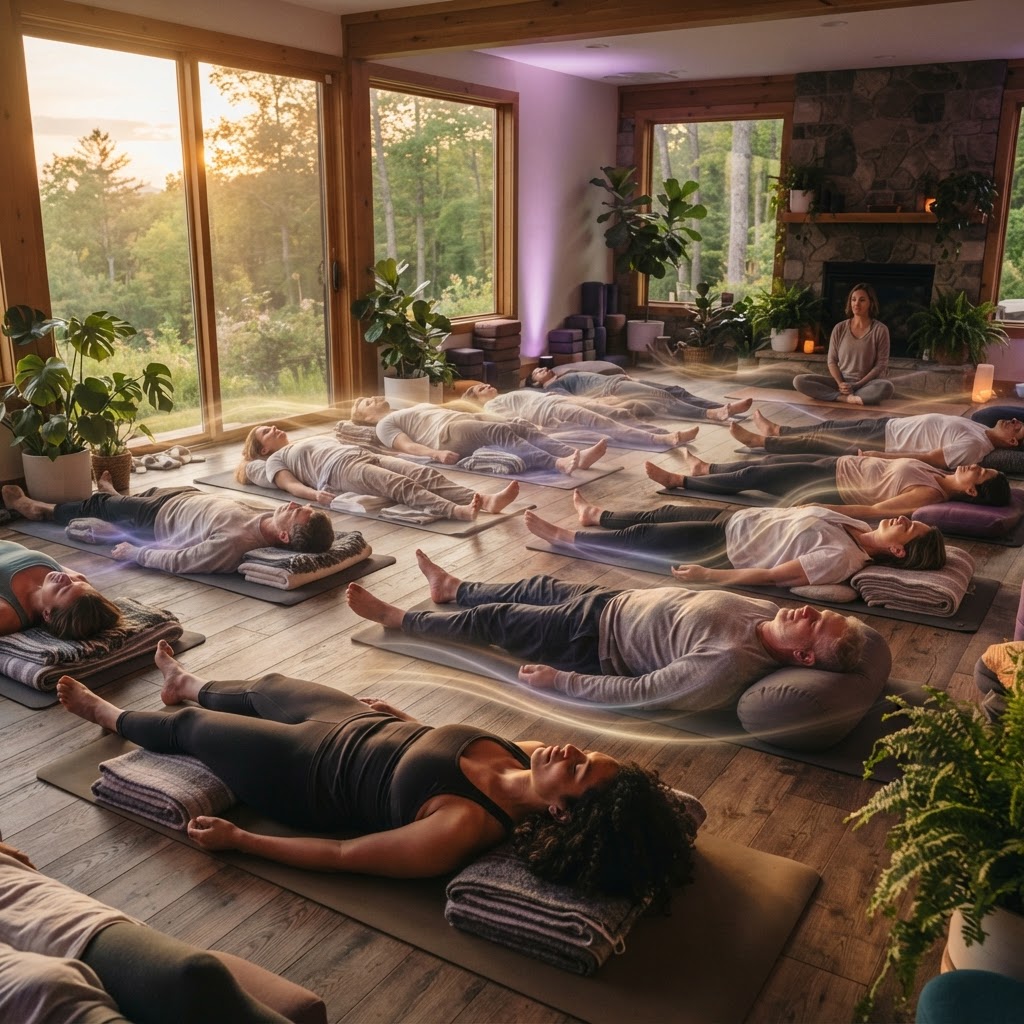
Explore The Breath. Observe The Mind.
Return Grounded.
A guided introduction to connected breathing, self-awareness and safe emotional grounding.
Session Type
Gentle Introduction
Duration
5–10 Minutes
Position
Seated or Lying Down
Experience
Beginner
Guidance
Audio & Visual
Safety Check
Required
Intensive connected breathing can produce strong physical or emotional reactions. Full-length sessions should only be undertaken with an appropriately trained facilitator.
Education
What Connected Breathing Means
Connected breathing links the inhale and exhale together with no pause between them, creating a continuous, circular breath rhythm.
Preparing The Room & Environment
Choose a warm, quiet, safe space. Clear the floor of hazards, lie on a mat or soft surface, and dim harsh lighting.
Setting An Intention
Before beginning, take a moment to set a simple, gentle intention for your practice — this is personal and doesn't need to be shared.
Gentle Introductory Connected Breathing
This app offers only a short, gentle introduction to connected breathing for general relaxation — not a full-length intensive session.
Emotional Responses & When To Stop
Connected breathing can sometimes bring up strong feelings, tingling or light-headedness. Stop immediately and breathe normally if this feels overwhelming.
Grounding After A Session
Afterwards, take time to reconnect with your surroundings — feel the floor beneath you, look around the room, and move slowly.
Journaling & Integration
Writing down anything that came up during your practice can help you process and integrate the experience afterwards.
Why Intensive Sessions Require A Facilitator
Full-length, intensive holotropic breathwork can produce powerful physical and emotional responses and should only ever be undertaken with an appropriately trained facilitator present.
Gentle Introduction
A short, gentle connected-breathing introduction for independent, general relaxation use only.
Your Holotropic Dashboard
0
Total Sessions
0
Minutes Practised
0d
Current Streak
0d
Longest Streak
0s
Avg Duration
0.0
Avg Rounds
0s
Avg Retention
0s
Longest Retention
—
Mood Before
—
Mood After
—
Avg Stress Reduction
0.0 → 0.0
Energy Before → After
0
Completed Safely
0
Stopped Early
Session Duration Trend
Sessions Per Week
Session Types
Before vs After
- Before
- After
Weekly Target Progress
0% of weekly target
Session History
| Date | Type | Duration | Rounds | Retention | Mood | Stress | Energy | Status |
|---|---|---|---|---|---|---|---|---|
| No sessions recorded yet for this range. | ||||||||
No journal notes yet — add some after your next session.
DMT-Style Breathwork (Education)
- "DMT breathwork" is a commonly used term for intense breathing patterns — it does not mean the practice produces DMT.
- Claims that breathwork releases significant amounts of DMT are not established medical fact.
- This section offers a gentle, grounding introductory breathing session only — no hallucinations, altered states or trauma release are promised.
- Practise in a safe, familiar seated position with nothing to trip or fall onto nearby.
- Stop immediately and breathe normally if you feel distressed, confused or unwell.
- Afterwards, ground yourself — notice your surroundings, breathe naturally, and journal how you feel.
Cold Mastery
Every cold practice, safely, with full tracking tools.
Never practise rapid breathing, hyperventilation or breath-holding in water, in a bath, in a swimming pool, while driving or while standing. Breathe normally during cold-water exposure. Cold-water immersion can cause cold shock, loss of consciousness and drowning. Never train alone in open water.
Cold Baths
Full-body cold immersion at home — preparation and rewarming guidance included.
Open TrackerCold-Water Acclimatisation
Structured beginner-to-advanced acclimatisation progression tracker.
Open TrackerPost-Session Warming & Recovery
Rewarming guidance and full recovery tracking after any cold session.
Open TrackerYour Progress
Streaks, favourites, achievements and full session history.
0
Total Sessions
0
Day Streak
0
Minutes Practised
0
Favourites
Last 7 Days
Achievement Badges
First Breath
1 sessions
Steady Practice
5 sessions
Breath Warrior
15 sessions
Elite Mastery
30 sessions
Before you begin
These recordings are provided for relaxation, meditation and general wellbeing. Claims that particular sound frequencies diagnose, prevent, treat or cure medical or mental-health conditions are not supported by reliable scientific evidence. This content is not medical treatment and must not replace professional advice, medication or healthcare. Listen at a safe and comfortable volume.
You can review this notice again from the info icon beside any track.